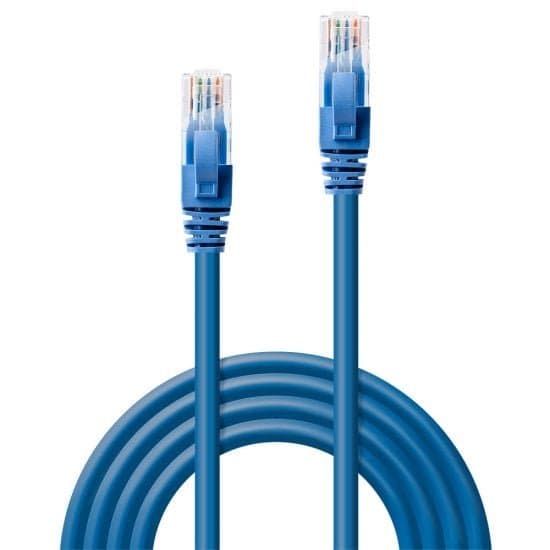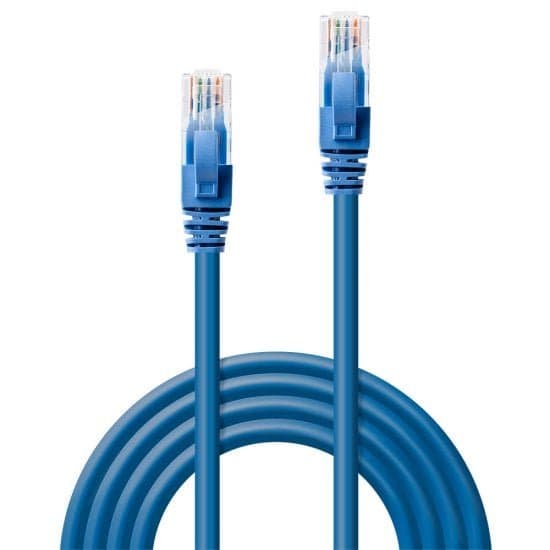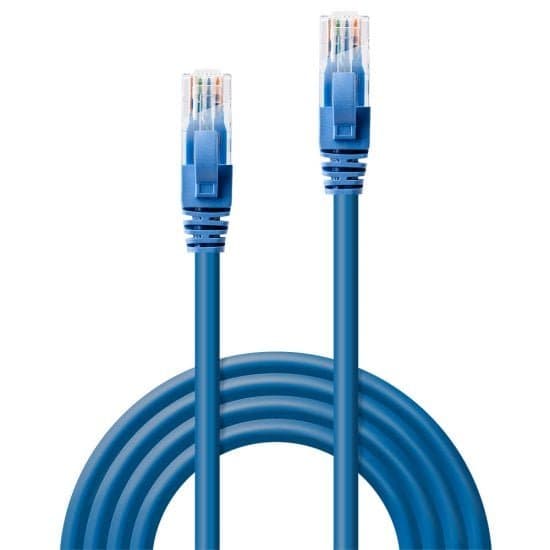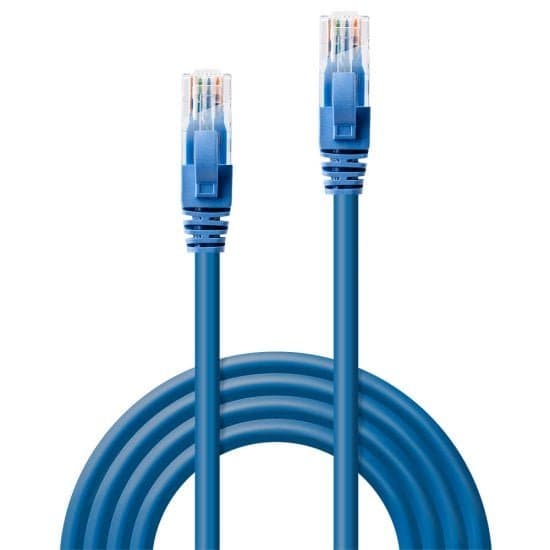
Product Description
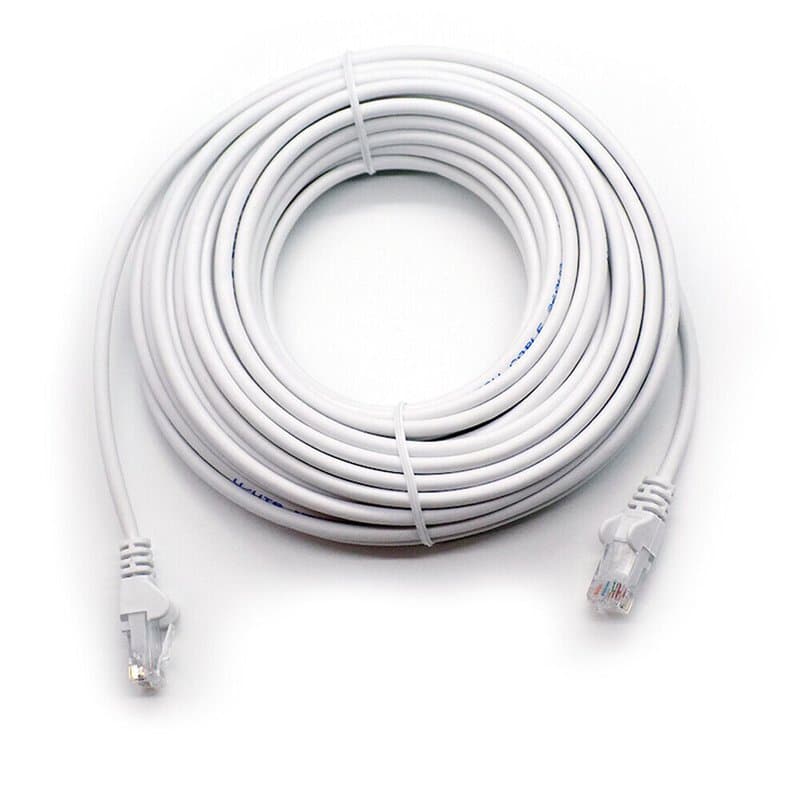
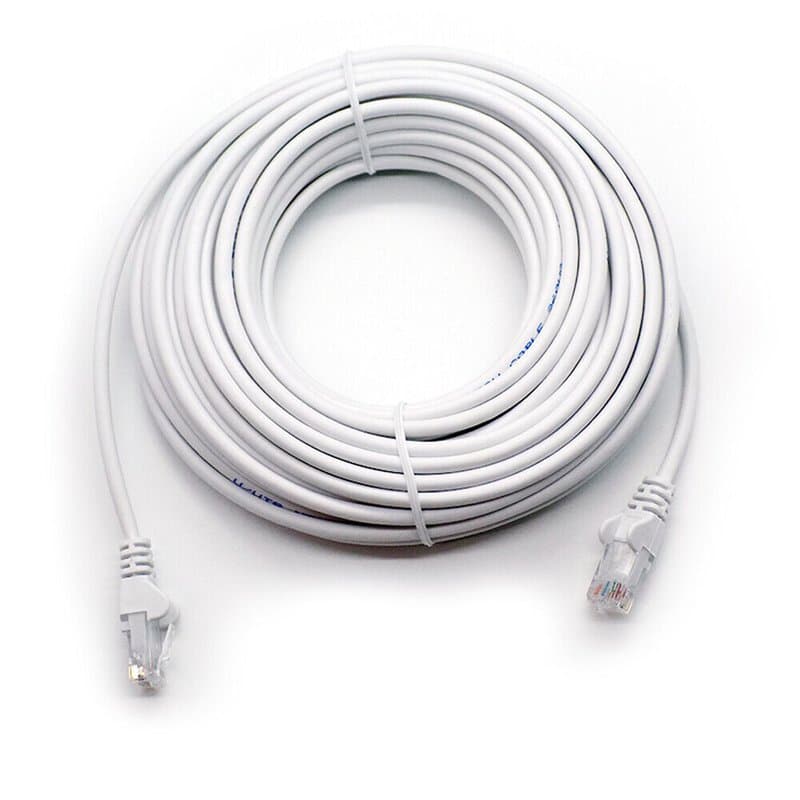
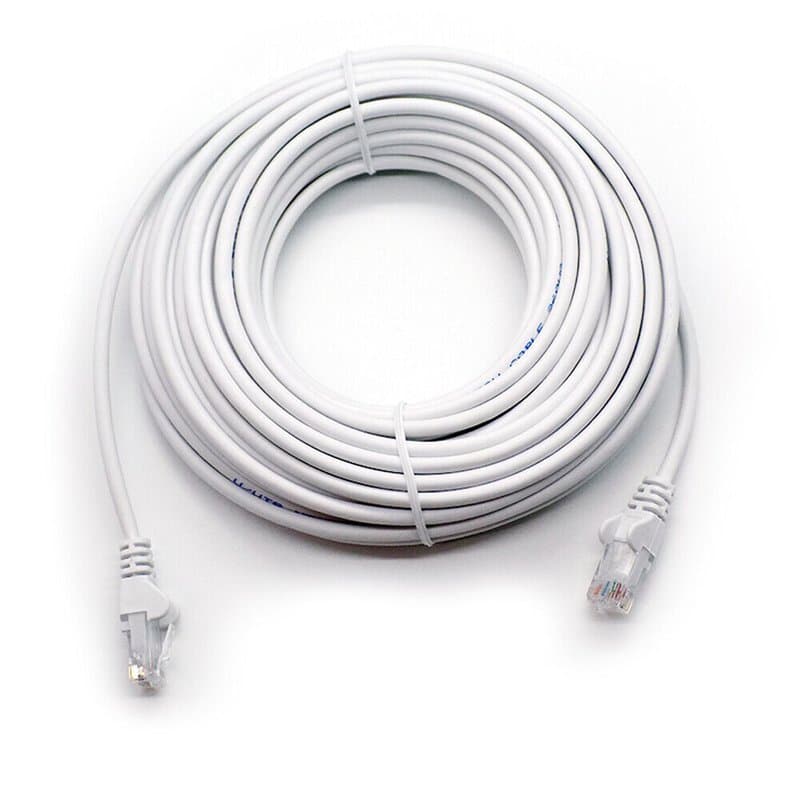
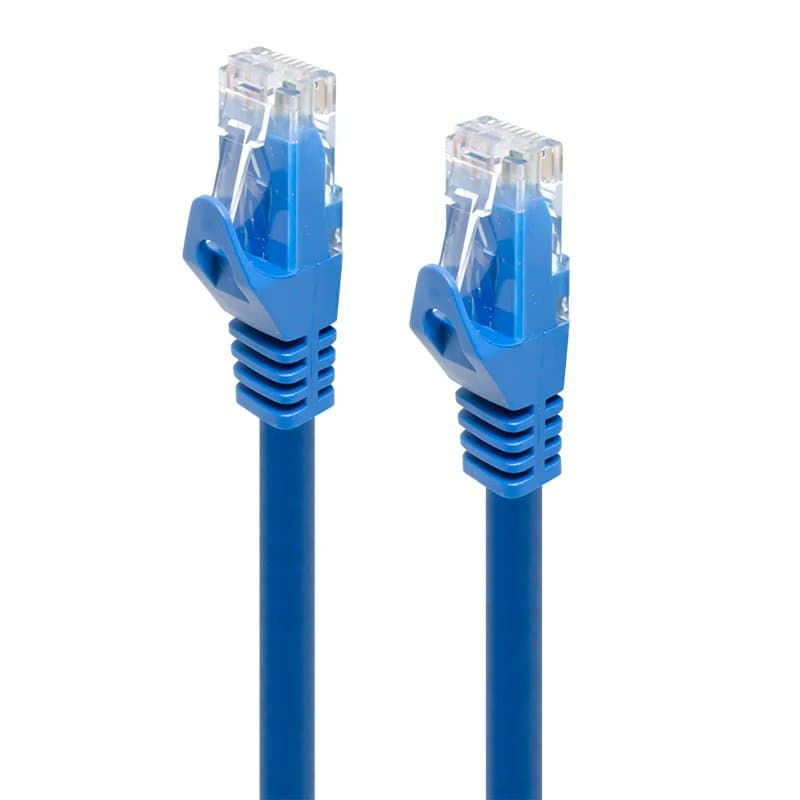
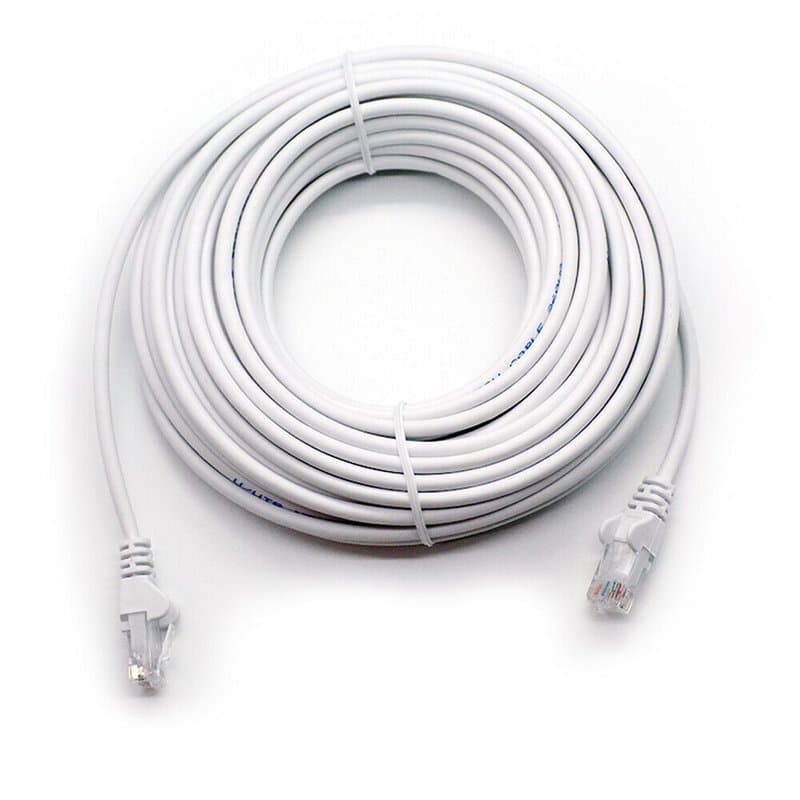
A 3m Cat6 U/UTP patch lead with RJ45 male connectors at each end, gold-plated copper alloy pins and a white PVC jacket. Fixed length, factory-terminated — no crimping required on site.
Where this length fits
Three metres suits short, fixed runs: NVR to switch inside a cabinet, camera to a nearby wall outlet, or a desk PC to a wall port in an office fit-out. It's a patching length, not a camera-to-recorder backbone — long outdoor runs are better served by a continuous cable rated for the distance.
Key specs
- Category: Cat.6 U/UTP (unshielded twisted pair)
- Bandwidth: 250MHz — enough headroom for Gigabit traffic, including multiple camera video streams through a switch
- Conductors: 24AWG copper, gold-plated pins for stable, corrosion-resistant contact
- Attenuation: 32.8dB/100m @250MHz — loss over a 3m run is proportionally small
- Minimum bend radius: 69mm — keep routing gentler than this, especially in cabinets and trunking
- Operating range: -10°C to 60°C, so fine for indoor cabinets, comms rooms and most internal containment
- Jacket: white PVC, 5.8mm diameter — tidy against light-coloured trunking or walls
Procurement notes
Housing is polycarbonate, unshielded (U/UTP), so keep runs clear of high-interference sources like fluorescent ballasts or power cabling where practical. Stock item, RJ45-NETWORK-CABLE-CAT6-3M-W.
Specifications
- Cable Category
- CAT6
- Length
- 3m
- Colour
- White
- Connector Type
- RJ45
- Material
- Polycarbonate
Frequently Asked Questions
What is this 3m Cat6 cable best used for on a CCTV install?
It's suited to short, fixed runs such as NVR-to-switch inside a cabinet or camera-to-wall-outlet, rather than a long camera-to-recorder backbone run.
Is this cable shielded?
No, it's U/UTP (unshielded twisted pair), so keep runs clear of heavy interference sources like fluorescent ballasts where practical.
Will this cable support Gigabit Ethernet?
Yes, it supports 250MHz bandwidth, which gives enough headroom for Gigabit Ethernet traffic including camera video streams.
What's the minimum bend radius I should keep to?
69mm — avoid tighter bends than this when routing through cabinets or trunking.