Product Description
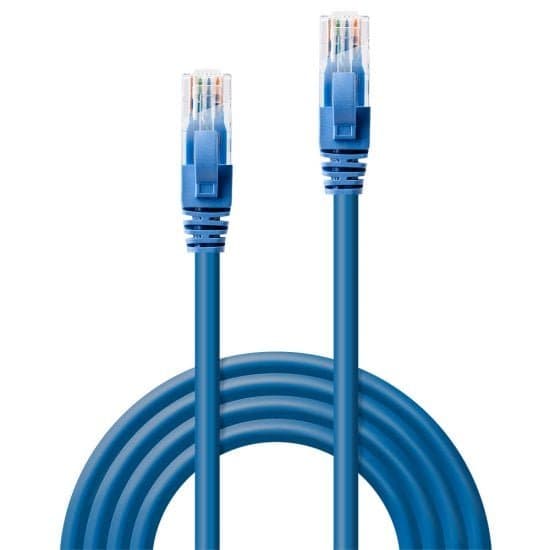
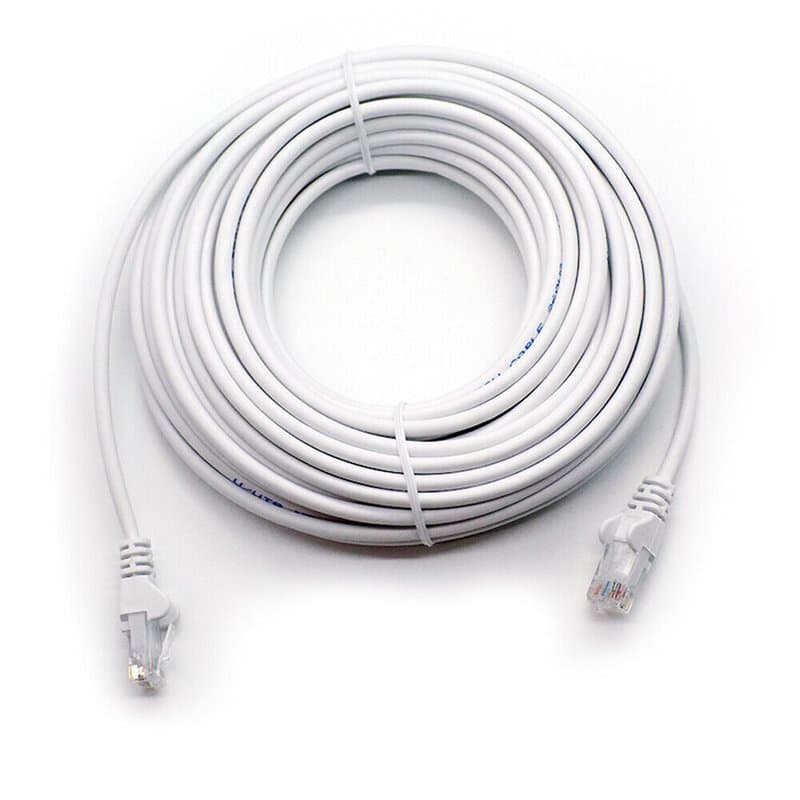
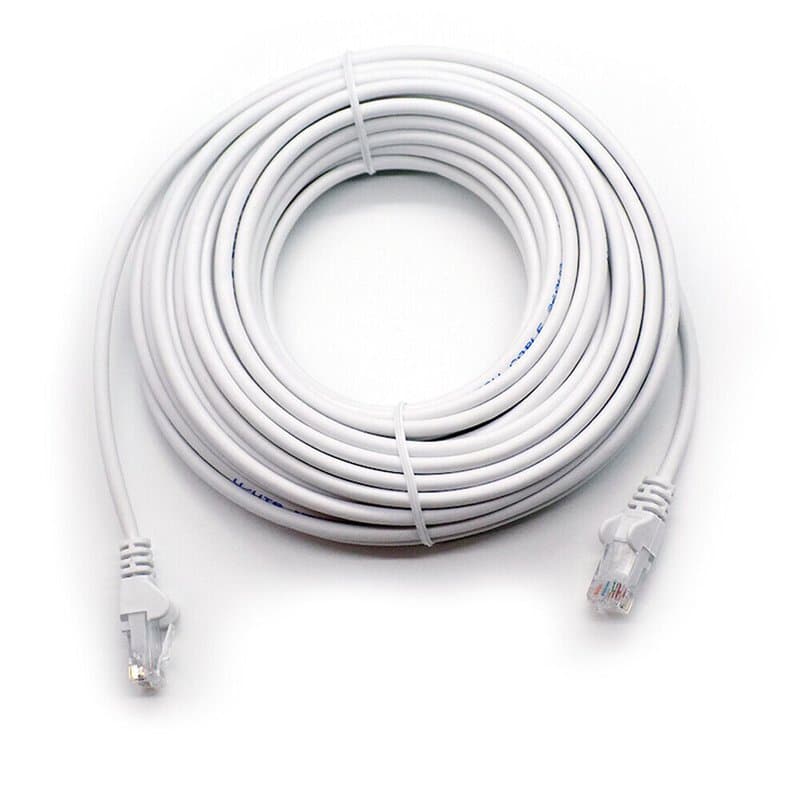
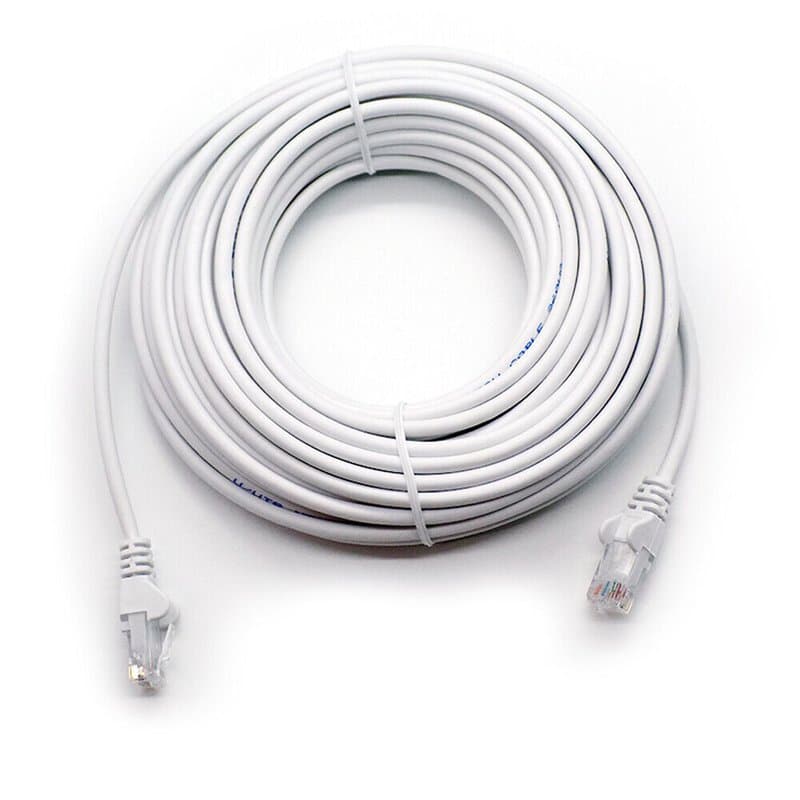
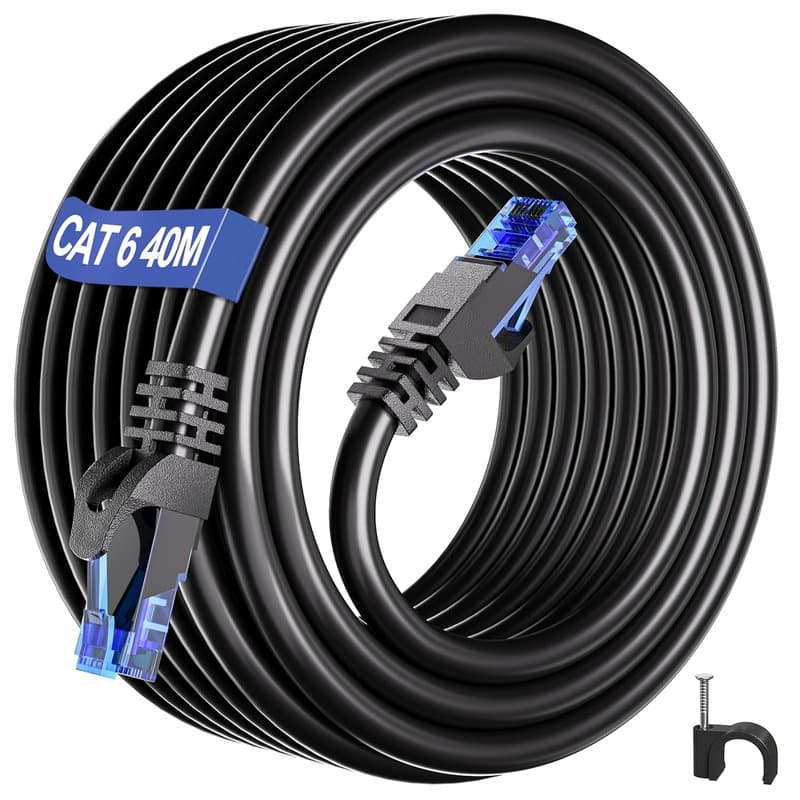
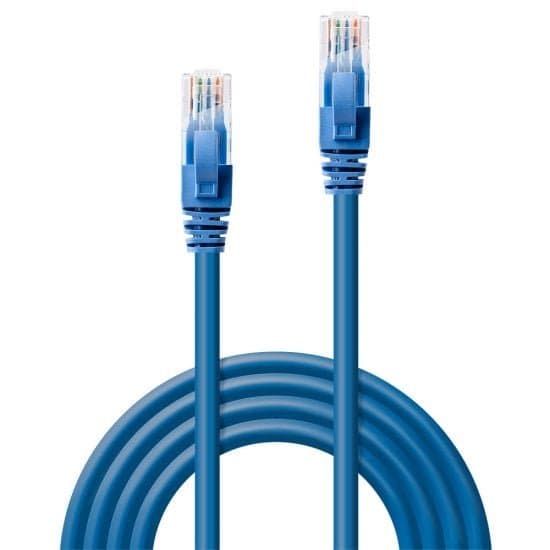
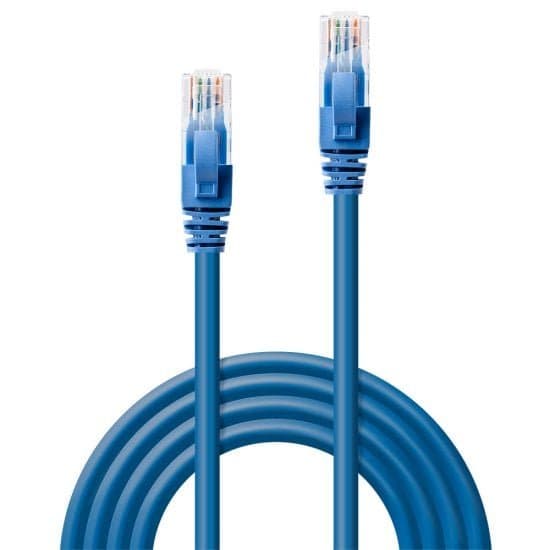
A 20m Cat6 U/UTP patch lead for camera and network runs where cable length and interference resistance both matter on site.
Why it suits CCTV and network installs
This length works for reaching cameras or wall-mounted access points from a comms cabinet in offices, retail units, warehouses, or residential blocks without needing a mid-run coupler. U/UTP (unshielded twisted pair) construction keeps termination simple while still supporting gigabit speeds. The 250MHz bandwidth and 32.8dB/100m attenuation at 250MHz rating give you the headroom for full-length runs carrying IP camera traffic or PoE-powered devices, subject to that attenuation figure at 20m.
Build and compatibility
- Conductor: copper, 24AWG
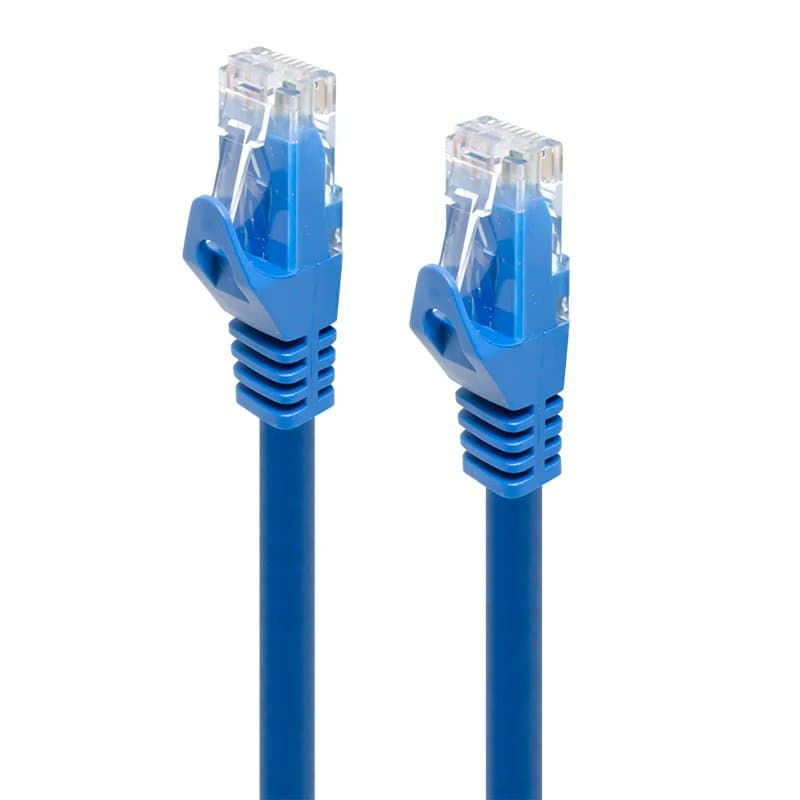
- Connectors: Male RJ45 to male RJ45 with a polycarbonate shell and gold-plated copper alloy contacts.
- Jacket: PVC, 5.8mm diameter, blue
- Minimum bend radius: 69mm — worth checking against your first-fix routing before ordering a shorter length
- Operating range: Operates between -10°C and 60°C; can be stored at temperatures from -20°C to 75°C.
- Compliance: RoHS
Cat6 terminations are backward compatible with Cat5/Cat5e hardware, so this drops into existing runs without adapters. The blue jacket also helps keep data runs visually separate from power or coax on a multi-cable containment tray — a small thing that saves time on later fault-finding.
Specifications
- Length
- 20m
- Ethernet Version
- Cat6
- Color
- Blue
- Features
- Suitable for CCTV, Suitable for POE, Suitable for VOIP Phones
Technical Specifications
Frequently Asked Questions
Will this cable support PoE for IP cameras?
It's rated to 250MHz over 24AWG copper, which covers gigabit Ethernet and PoE-powered devices, subject to the stated attenuation figure at full 20m length.
Is it shielded?
No, its construction is U/UTP, meaning unshielded twisted pair.
Does it work with existing Cat5 or Cat5e cabling?
Yes, Cat6 terminations are backward compatible with Cat5/Cat5e hardware, so it drops into existing runs without adapters.
What's the minimum bend radius I need to allow for?
69mm — worth checking against your routing plan, especially in tight containment or behind fixed furniture.