Product Description
What the RJ45-2WAY-EXTENDER is for
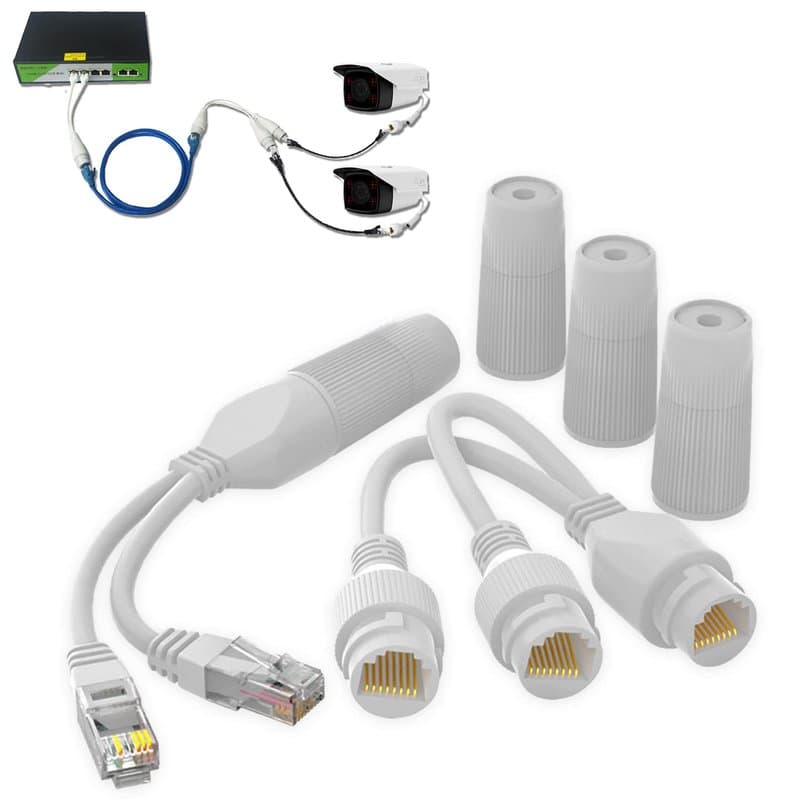
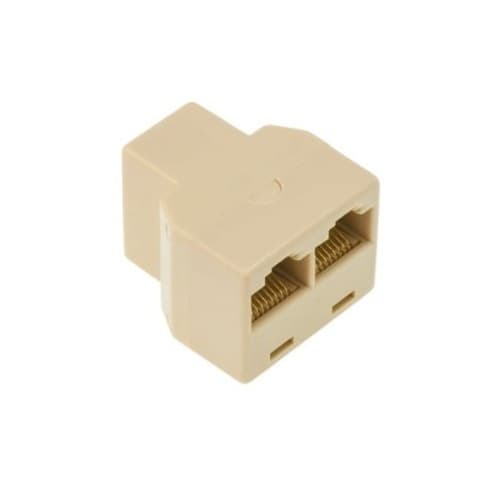
This adapter turns one RJ45 outlet or patch point into two 8P8C ports, so a single existing cable run can serve two network devices instead of one.
It's a straightforward fix on jobs where cable count at a cabinet, wall box or patch panel is fixed and pulling a new run isn't practical — common on retrofits in offices, retail units and residential blocks where containment is already full or inaccessible.
Where it typically gets used
- Adding a second IP camera off a run that only has one spare outlet
- Freeing a port on a patch panel without re-cabling the cabinet
- Sharing an outlet between an NVR and another network device
A practical limit to plan around
Both output ports share the single incoming line, so this suits low-bandwidth or occasional-use connections rather than two devices needing full simultaneous throughput. On a camera-heavy install, that generally means fine for an occasional secondary device, but not the right choice where two cameras both need sustained full-rate streaming.
Key specs
- Interface: standard RJ45 8P8C connectors
- Cable compatibility: Cat5e and Cat6 Ethernet cable
- Port configuration: 1 input to 2 output ports
- Typical devices: Works with IP cameras, NVRs, network switches, patch panels and routers.
- Form factor: compact housing for network cabinets, wall outlets and patch panel spaces
Also listed under the code 2-WAY-RJ45-EXTENDER.
Specifications
- Brand
- Unbranded
Technical Specifications
Frequently Asked Questions
Does the RJ45-2WAY-EXTENDER double my available bandwidth?
No — both output ports share the single incoming line, so it suits low-bandwidth or occasional-use devices rather than two full-speed connections running at once.
What cable types does it work with?
It uses standard RJ45 8P8C connectors and is compatible with Cat5e and Cat6 Ethernet cable.
What devices can I connect through it?
It's suited to IP cameras, NVRs, network switches, patch panels and routers in structured cabling setups.
Where would this be fitted on a typical job?
Common spots are network cabinets, wall outlets and patch panel environments where a second connection is needed but no spare cable run exists.