Product Description
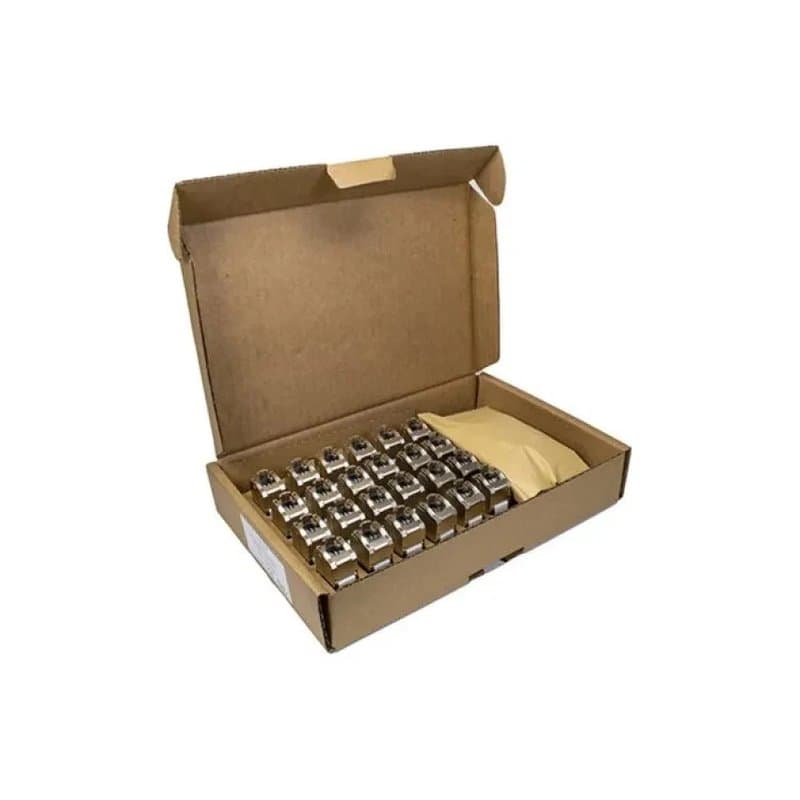
What the Wall-Socket-RJ45-Cat6-Keystone-Jack does
It terminates a structured cabling run at the wall face, giving you a fixed RJ45 network point rather than a bare cable end or a floating coupler.
Built around a Cat6 keystone jack, it sits at the outlet end of a cabling link — a patch lead then runs from the socket to the connected device (camera, access point, PC or NVR).
Where it's used on a job
- PoE camera drops — a clean termination point for the run feeding an IP camera
- Wireless access points — a fixed wall point for backhaul rather than a trailing cable
- General network points — desks, offices, back-of-house PCs
- NVR/uplink locations — a defined termination near the recorder rather than a loose cable tail
Compatibility note
Because it uses the standard keystone jack form factor, it fits alongside other Cat6 keystone outlets on faceplates and patch panels already specified for a job — useful when a site has settled on Cat6 throughout and outlets need to match.
Selection factors for installers
When speccing outlets for a structured cabling job, check the keystone jack matches the cable category already run (Cat6 here), and confirm the faceplate on site accepts a standard keystone module before ordering in bulk.
Specifications
- Cable Category
- CAT6
- Connector Type
- RJ45
Frequently Asked Questions
What purpose does the Wall-Socket-RJ45-Cat6-Keystone-Jack serve?
It terminates a Cat6 structured cabling run at the wall, giving a fixed RJ45 network point for devices such as cameras, access points, PCs or NVRs.
Does it fit standard keystone faceplates?
Yes — it's built on a standard Cat6 keystone jack form factor, so it fits the keystone faceplates and patch panels used across structured cabling jobs.
Is this suitable for running a PoE camera?
Yes, it's suitable as the outlet-end termination for a PoE camera drop, with a patch lead then connecting from the socket to the camera.