Product Description
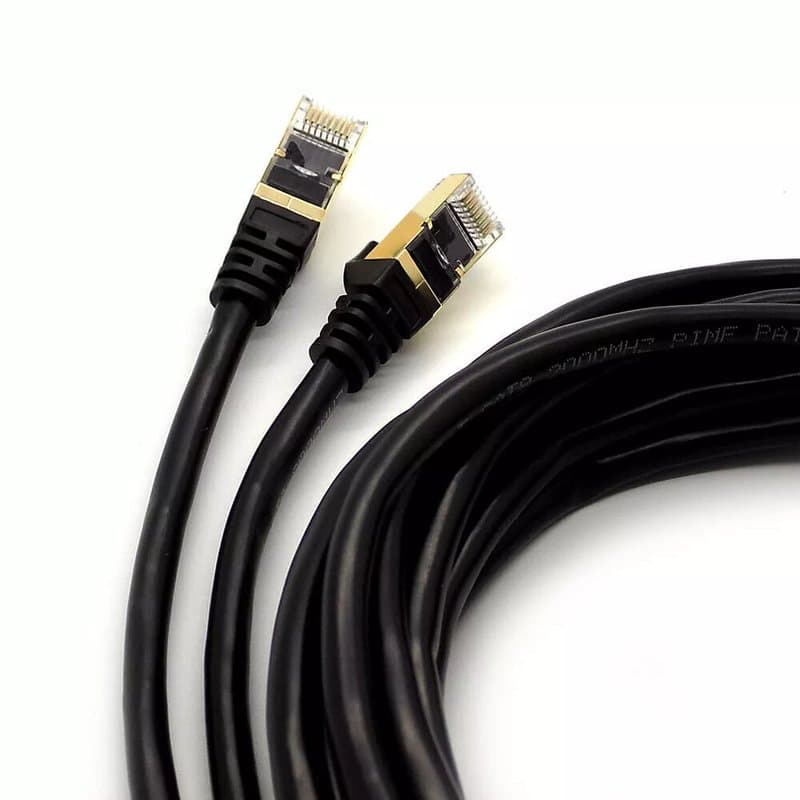
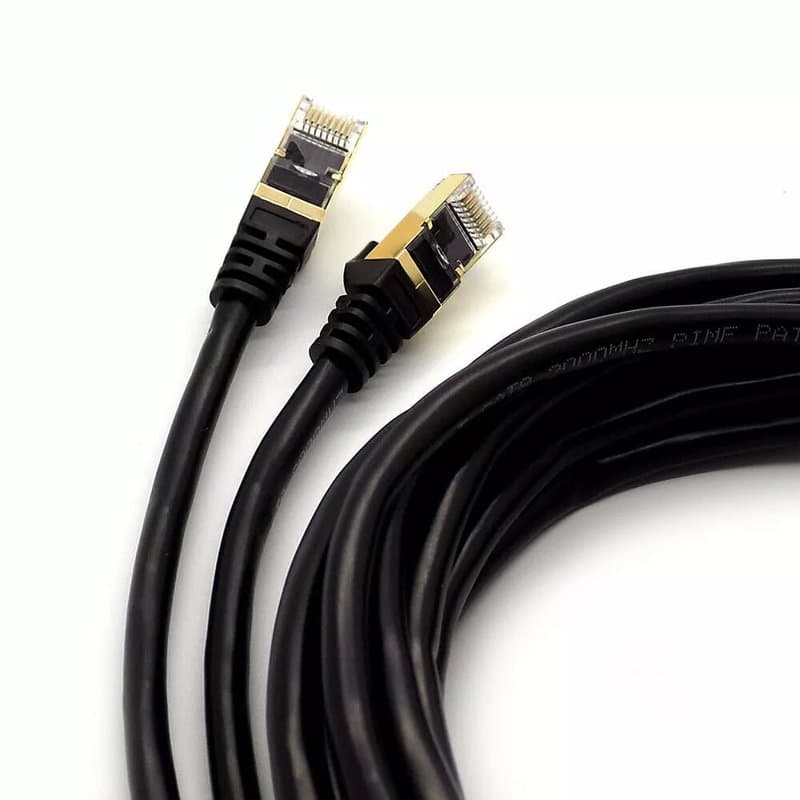
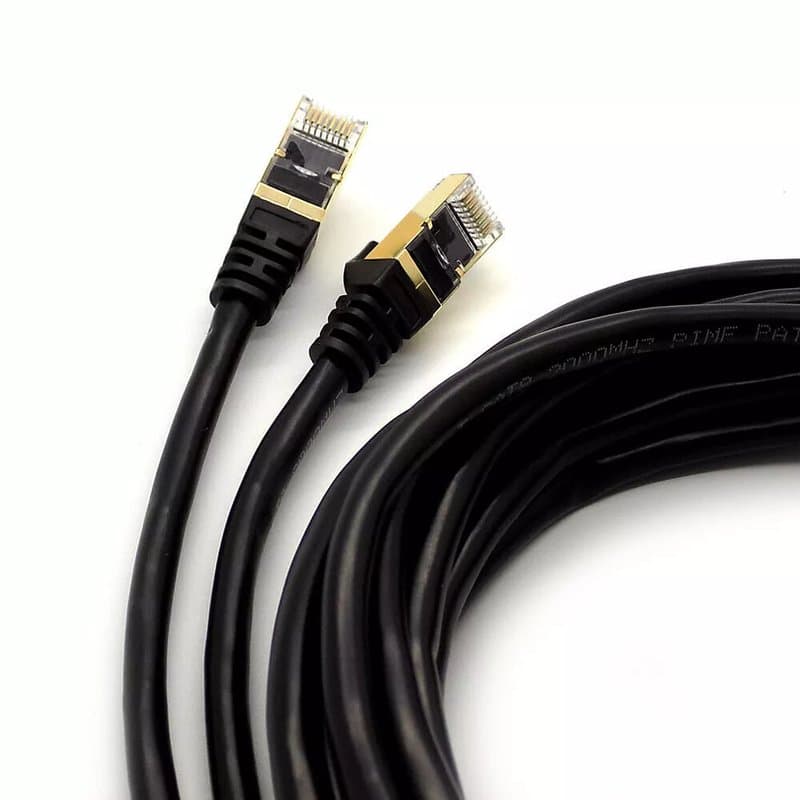
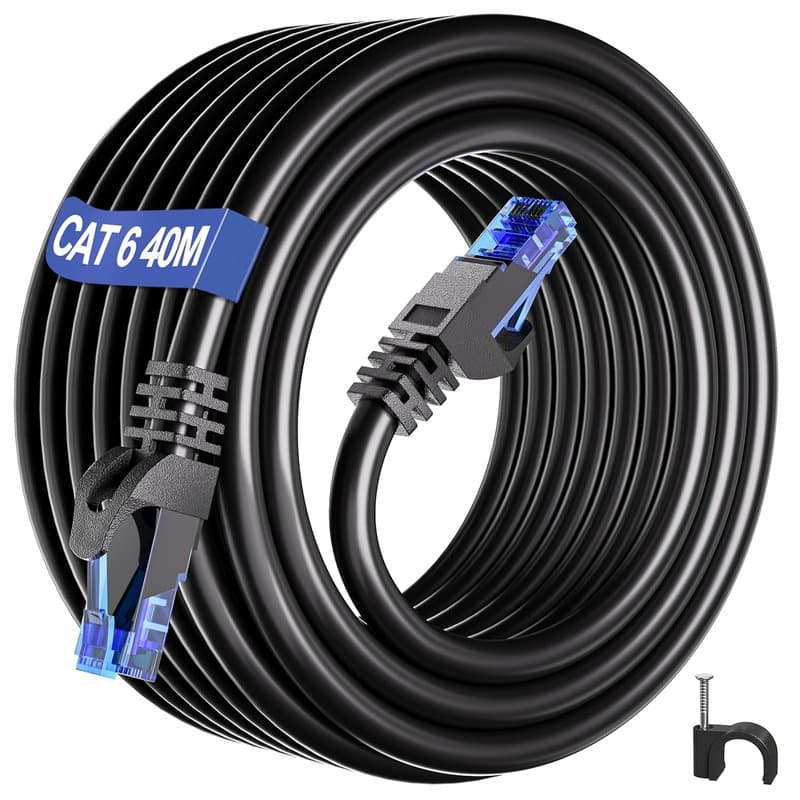
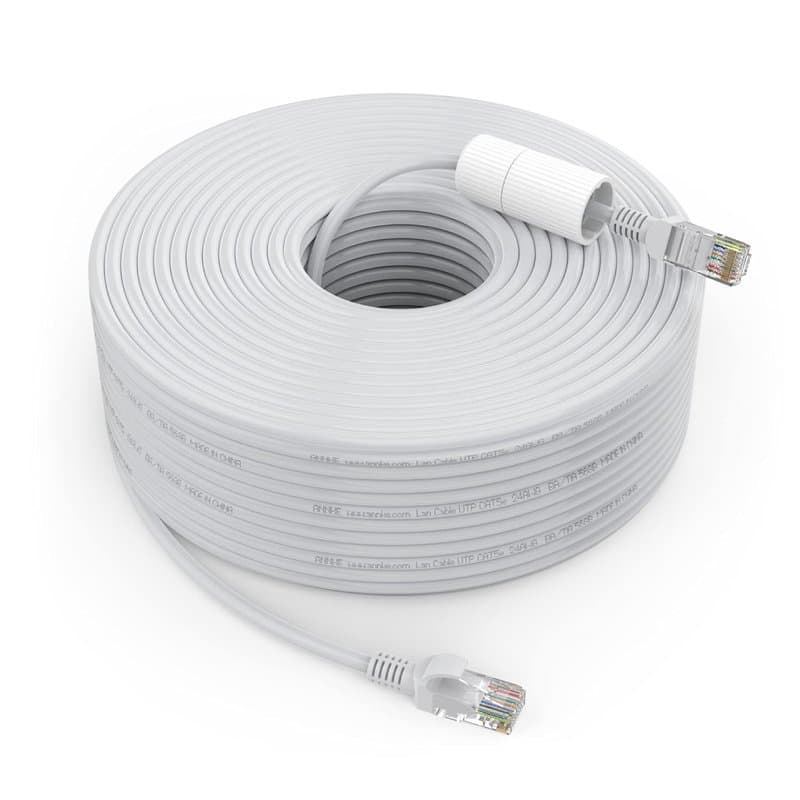
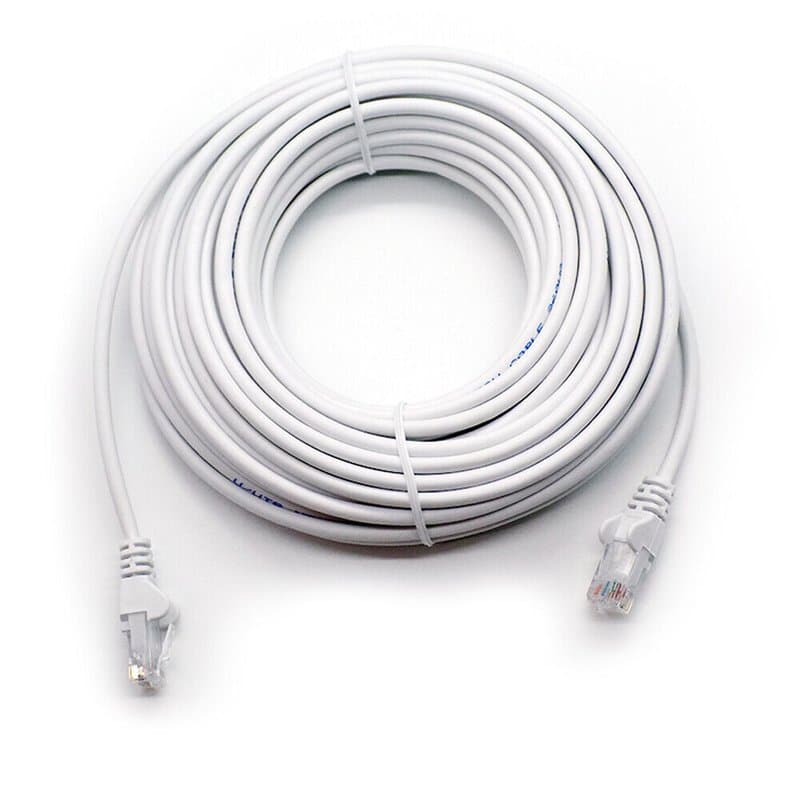
RJ45-NETWORK-CABLE-CAT6-30M-BLACK is a 30-metre CAT6 F/UTP patch cable built for runs where a shorter lead won't reach — a PoE NVR in a comms cupboard, a camera at the far end of a warehouse, or a router-to-office-switch link across a building.
Why the length and shielding matter on a CCTV job
At 30m, this cable covers longer camera-to-NVR runs in a single length, avoiding an in-line coupler that adds a failure point. The F/UTP (shielded twisted pair) construction is there to cut electromagnetic interference — relevant near mains wiring, fluorescent fittings, or plant rooms, all common on commercial sites.
Key specs
- Length: 30m, black
- Category: CAT6, rated for 10/100/1000 networks
- Conductor: 26 AWG x 4 pairs
- Shielding: F/UTP
- Jacket: Low Smoke Zero Halogen (LSZH) — a specification worth checking against site fire regulations before ordering for commercial or multi-occupancy buildings
- Boot: Snagless, to protect the clip when pulling through trunking or ceiling voids
- Standards: Conforms to ISO/IEC 11801 and TIA/EIA 568B.2-1 standards
Where it fits in a deployment
Typical pairing is a PoE switch or NVR at one end and an IP camera at the other, though it works equally for general office or home networking runs needing gigabit speeds over a longer distance than a standard patch lead allows.
Specifications
- Colour
- Black
- Connector Type
- RJ45
Technical Specifications
Frequently Asked Questions
Can this cable be run outdoors for CCTV cameras?
The listing states it's shielded (F/UTP) with an LSZH jacket for durability and interference resistance; check your specific site conditions against the spec before committing to an outdoor run.
Will this cable support PoE for IP cameras?
It's rated for 10/100/1000 networks with 26 AWG x 4 pair conductors, which is the standard construction used for PoE camera runs, though PoE performance itself depends on your NVR/switch.
What's the difference between this and a standard unshielded patch lead?
This is F/UTP (shielded twisted pair), which is built to reduce electromagnetic interference — useful where cable runs pass near mains wiring or electrical plant.
Does this cable meet recognised cabling standards?
Yes, it's specified to ISO/IEC 11801 and TIA/EIA 568B.2-1.