In stock
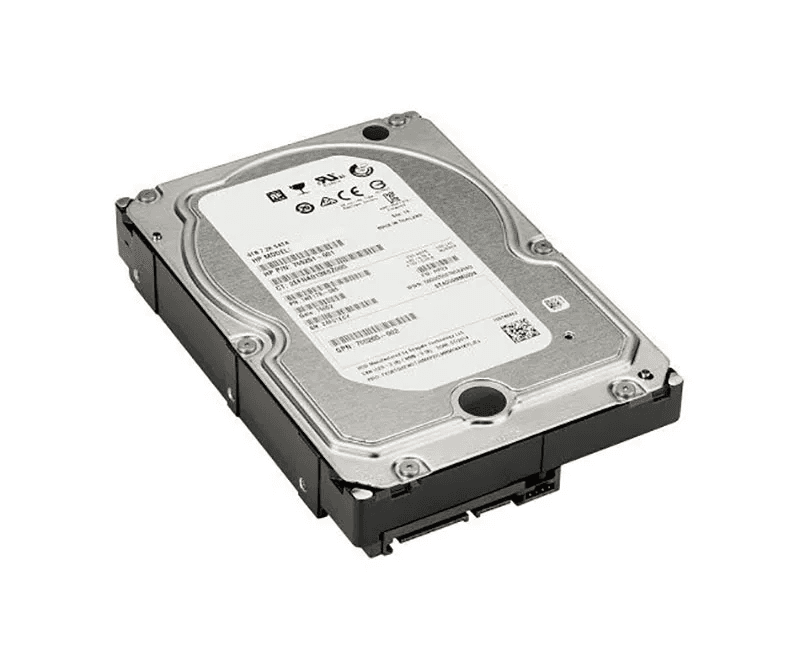
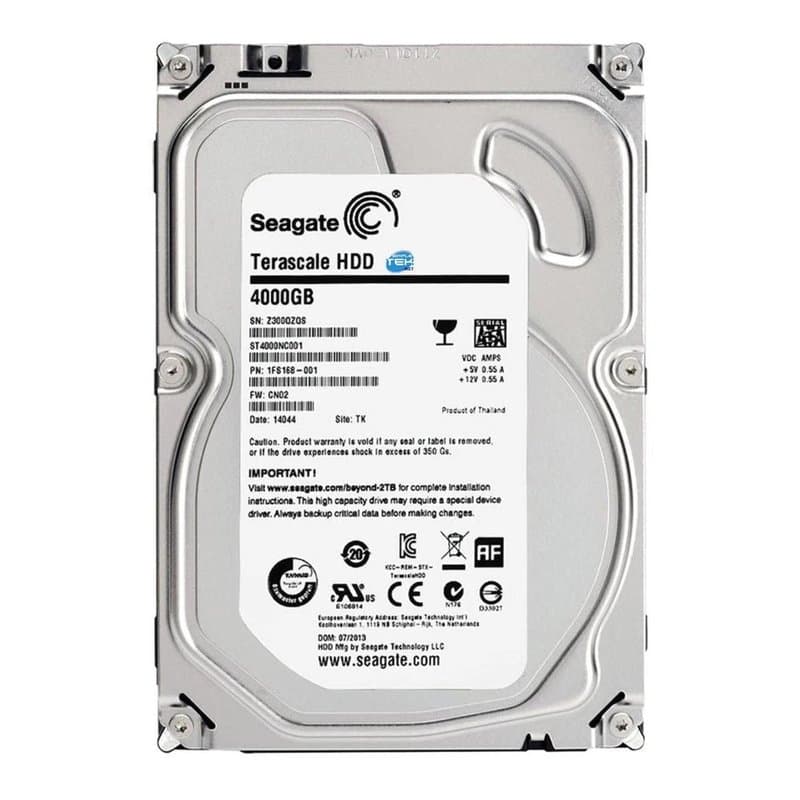
4TB - HDD 3.5" SATA Hard Drives – Free Installation with Any CCTV Kit or Package
SKU HDD-4TB-Pre-installed
Price on request
We use cookies to keep the site secure, remember your basket and see how the site is used. Privacy policy
6 products in our Storage range — trade-grade UK stock from Euro CCTV.
All products
6 of 6 SKUs · Same-day dispatch on orders before 4pm

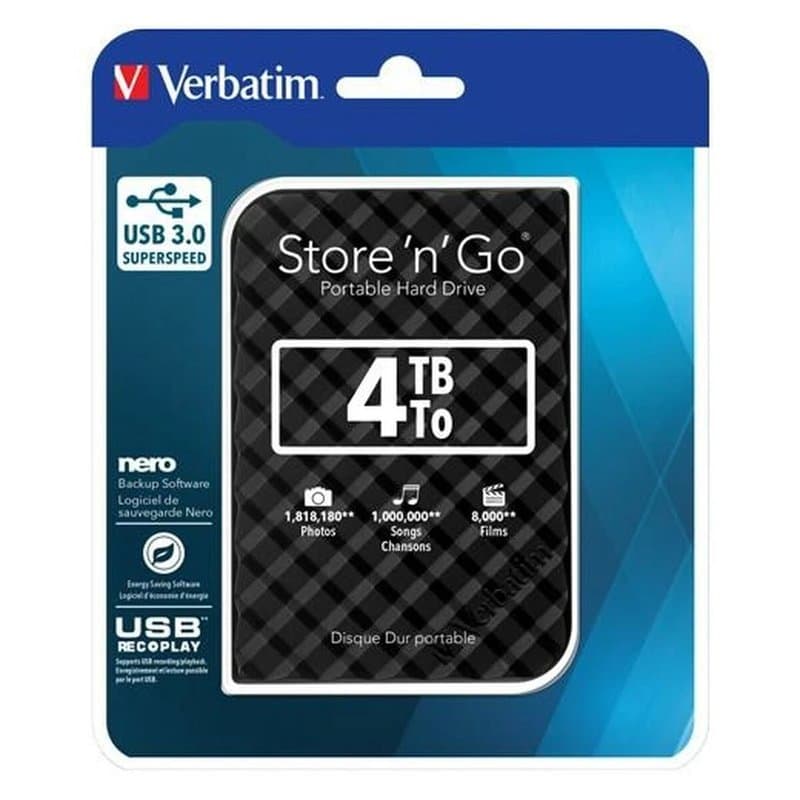
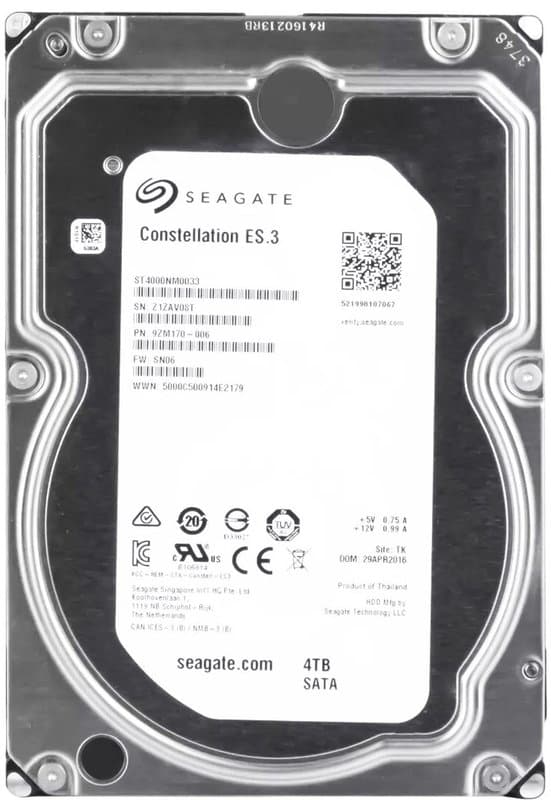

4TB storage range for CCTV and general backup use, comprising five drives: one Verbatim portable USB 3.0 external hard drive, and four internal 3.5" SATA drives (a Lenovo enterprise HDD, two Seagate options including SkyHawk, and a Toshiba S300 surveillance drive).
The 3.5" SATA drives suit recorders and workstations needing continuous internal storage, while the Verbatim portable drive suits ad-hoc backup, footage export, or transferring recordings between sites without opening a case.
Match the drive type to the deployment: surveillance-rated drives for always-on recording, enterprise drives for server duty, and the portable unit for offline backup or footage handover.
Four of the five products are 3.5" SATA drives; the fifth is a Verbatim portable USB 3.0 external hard drive.
Surveillance-rated drives like the Seagate SkyHawk and Toshiba S300 are designed for the continuous write workload of 24/7 CCTV recording, whereas general SATA drives are typically built for lighter, intermittent use.
© 2026 Euro CCTV · UK delivery