Product Description
For continuous-recording storage builds
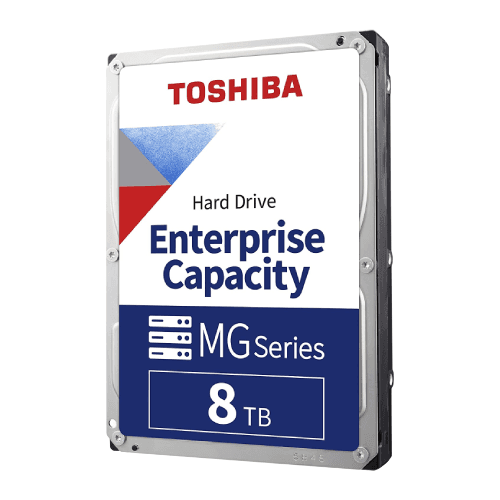
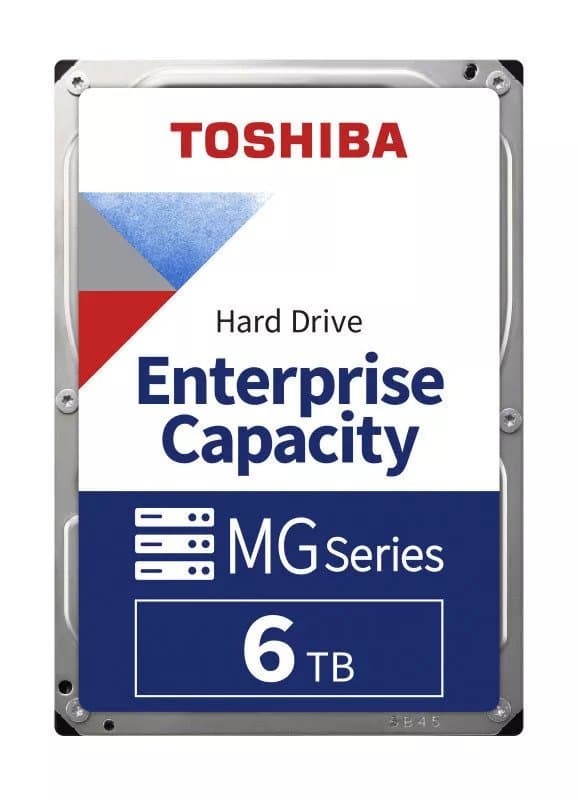
The Toshiba MG Series MG10ADA600E is a 6TB, 3.5" SATA III (6 Gb/s) enterprise hard drive running at 7200 RPM, built for systems that need to write data around the clock rather than desktop use.
For UK installers, that matters most when speccing storage behind NVRs, servers or NAS units handling multiple recording channels or business-critical data — the sort of job where a consumer-grade drive is the wrong spec from day one.
Key specs
- Capacity: 6TB
- Interface: SATA III, 6 Gb/s
- Form factor: 3.5-inch
- Spindle speed: 7200 RPM
- Built to run non-stop, 24 hours a day, 7 days a week.
- Typical deployment: enterprise servers, RAID arrays, NAS systems, surveillance storage platforms, cloud storage infrastructure
What it pairs with
The MG10ADA600E fits into standard SATA-based storage bays, so it drops into existing RAID arrays and enterprise storage platforms without needing different controllers. It suits data centre and business environments where several channels or applications are writing to disk simultaneously and consistent performance under load is the deciding factor.
Selecting the right drive
For projects specifying NVR or NAS-based recording storage, the combination of 7200 RPM, SATA III bandwidth and a 24/7 duty rating is the baseline to check against — capacity alone doesn't tell you whether a drive will hold up in a multi-bay, continuously-writing array.
Specifications
- Brand
- Toshiba
- Capacity
- 6TB
- Connector Type
- SATA
Technical Specifications
Frequently Asked Questions
What capacity and interface does the MG10ADA600E use?
It's a 6TB drive with a 3.5-inch SATA III interface running at 6 Gb/s.
Is this drive rated for continuous operation?
Yes, the MG Series is designed for continuous 24/7 operation in enterprise and data centre environments.
Is it suitable for RAID arrays?
Yes, it's designed for enterprise-grade reliability in multi-drive configurations including RAID systems and high-density storage arrays.
What systems is this drive typically used in?
It's commonly deployed in enterprise servers, NAS systems, surveillance storage platforms, cloud storage infrastructure and business data centres.