Product Description
What it does
The MIC-IN-LINE is a high-gain audio module that adds sound capture to a CCTV installation, terminated in RCA audio output and a 2.1mm DC jack for power. It sits between a microphone element and your DVR/NVR audio input, applying gain and impedance matching so the signal reaches the recorder clean rather than weak or noisy.
Where it fits on a job
- Rated for indoor and outdoor use, so it can go inside a reception or on an external wall near a camera run.
- Compact form factor suits discreet mounting close to the camera or at a convenient point along the cable run.
- Standard RCA output means it will feed any DVR/NVR or amplifier input that accepts a line-level RCA audio source — check your recorder has a free audio channel before speccing it in.
- The 2.1mm jack takes a separate DC power feed, so plan for a nearby power point or a shared PSU with the camera.
Typical use cases
Reception desks, till points, gate or door intercoms, and warehouse floors where audio alongside video is useful for review or verification. Pairing it with a channel that already records video means the audio track lines up with the footage on playback, provided the recorder supports synchronised audio-video channels.
Selection checklist
- Confirm the DVR/NVR has a spare RCA audio-in channel.
- Check cable run length against your power source before fixing the mounting point.
- Decide indoor vs outdoor siting to suit the enclosure and cable routing available.
Specifications
- Product Type
- CCTV High-Gain Mic
Technical Specifications
Frequently Asked Questions
Which connectors are fitted to the MIC-IN-LINE?
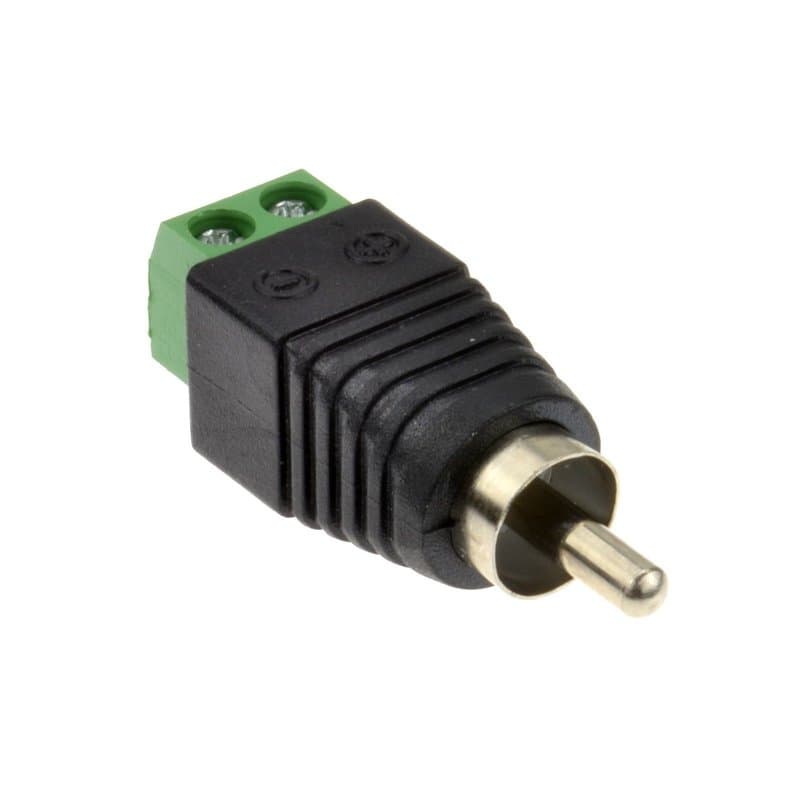
Audio leaves through a standard RCA jack, while power comes in via a 2.1mm DC socket.
Can it be fitted outdoors?
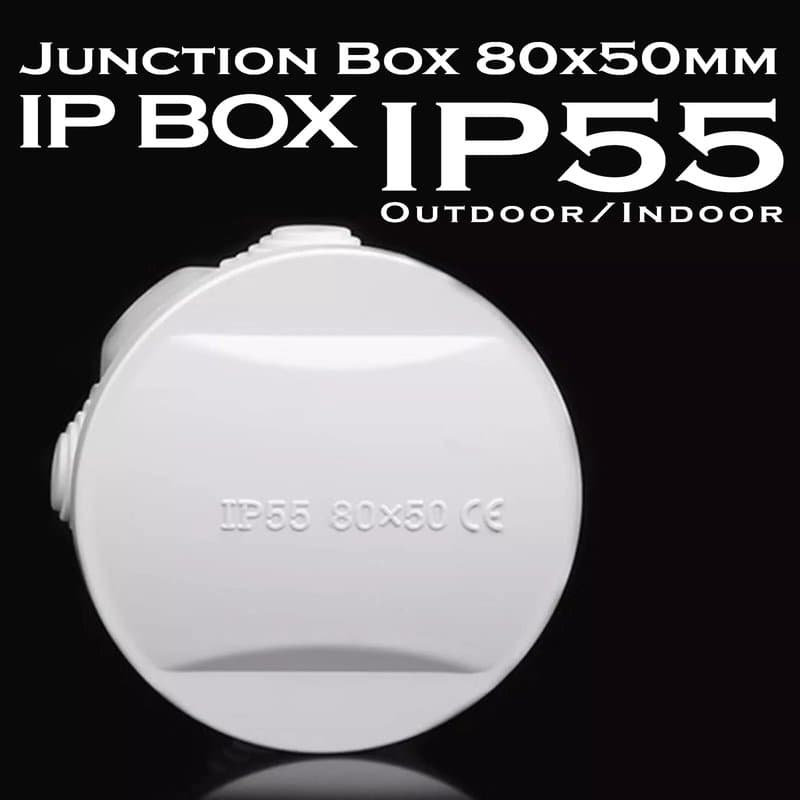
Yes, it's approved for use both indoors and outdoors.
Is it compatible with any DVR or NVR?
It feeds any recorder or amplifier input that accepts a line-level RCA audio source, so confirm your DVR/NVR has a free RCA audio-in channel first.
What does it actually do to the microphone signal?
It sits in-line between the mic element and the recording system, applying gain and impedance matching so the audio arrives clean rather than weak or noisy.